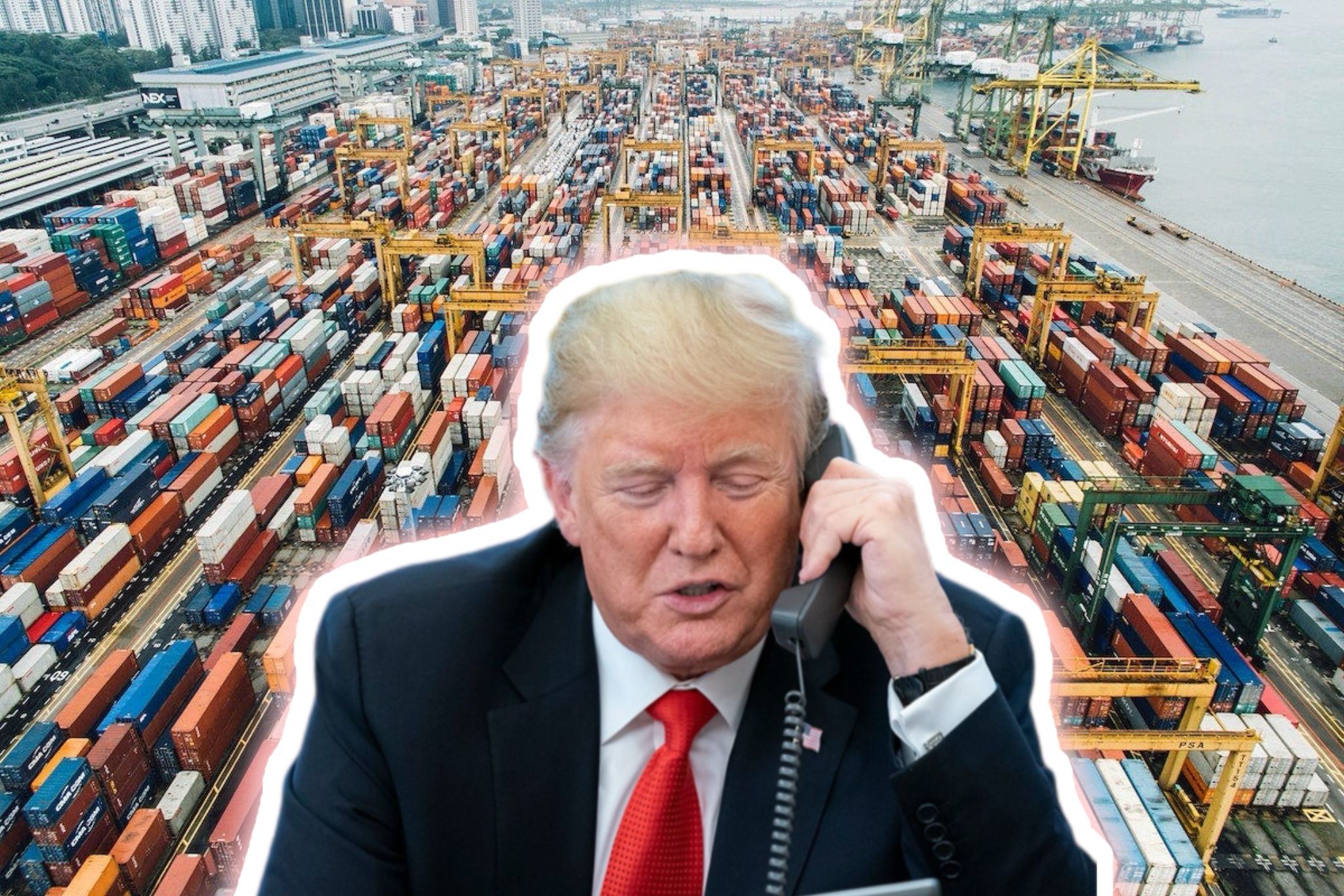
Following President Trump’s 2025 proposals for high tariffs—including a potential 60% tariff on Chinese goods and a 10% universal baseline—many economists have focused on the high risks, such as inflation and trade wars. For a political analyst, however, this policy should be understood differently: it is one of the most effective political messaging tools in modern American politics.
The tariff strategy is not designed to win debates at the Peterson Institute for International Economics; it is designed to win votes in specific counties in Pennsylvania, Michigan, and Wisconsin.
This “economic nationalism” is a direct, unfiltered appeal to a very specific and electorally crucial demographic: blue-collar, non-college-educated, and union-household voters in the post-industrial “Rust Belt.” These are the voters who swung the 2016 election and remain the most contested bloc in American politics.
The political genius of the tariff argument lies in its simplicity. It bypasses complex economic theory and creates a powerful, populist narrative:
It defines a clear villain: “Globalist” elites and foreign competitors (especially China) who “stole” American manufacturing jobs.
It presents a clear hero: A protectionist leader (“I am a tariff man”) willing to fight back on behalf of the “forgotten” American worker.
It offers a clear solution: The tariff itself, a tangible “wall” to protect American industry.
Whether this narrative is economically sound is, politically, almost irrelevant. The message itself—”I am fighting for your job”—is what resonates in communities in Lackawanna County, PA, or Macomb County, MI, which have seen industries decline for decades.
This strategy also places the Democratic party in a difficult political bind. Opposing tariffs allows them to be painted as “pro-China” or part of the “globalist elite” who don’t care about American jobs. This forces them to walk a difficult tightrope, often trying to argue for “smarter” trade enforcement rather than rejecting protectionism outright—a message that lacks the simple, emotional clarity of a high tariff.
Ultimately, the high-tariff policy is a masterclass in political signaling. Its success is not measured in GDP or trade deficits, but in its ability to solidify a candidate’s bond with a critical voting bloc in the handful of states that decide the Electoral College. It is a policy that functions, first and foremost, as a ballot.
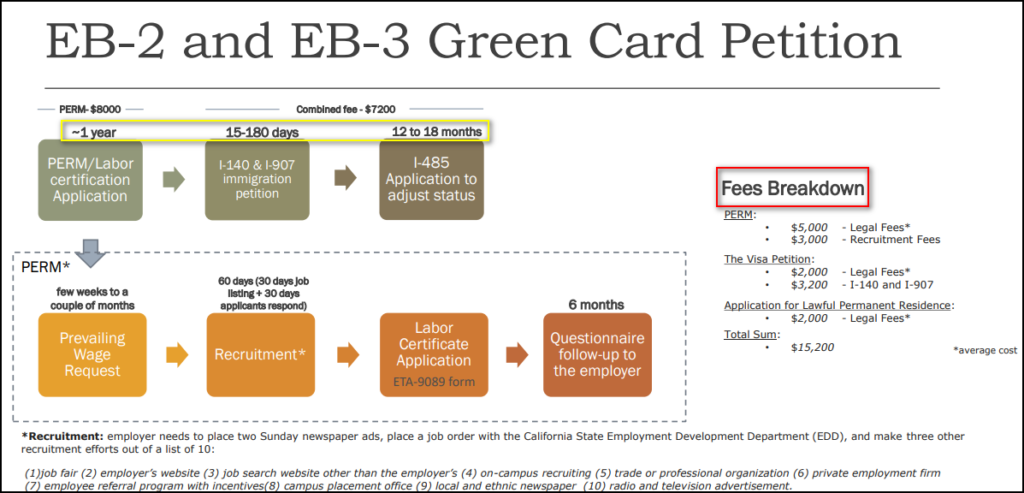
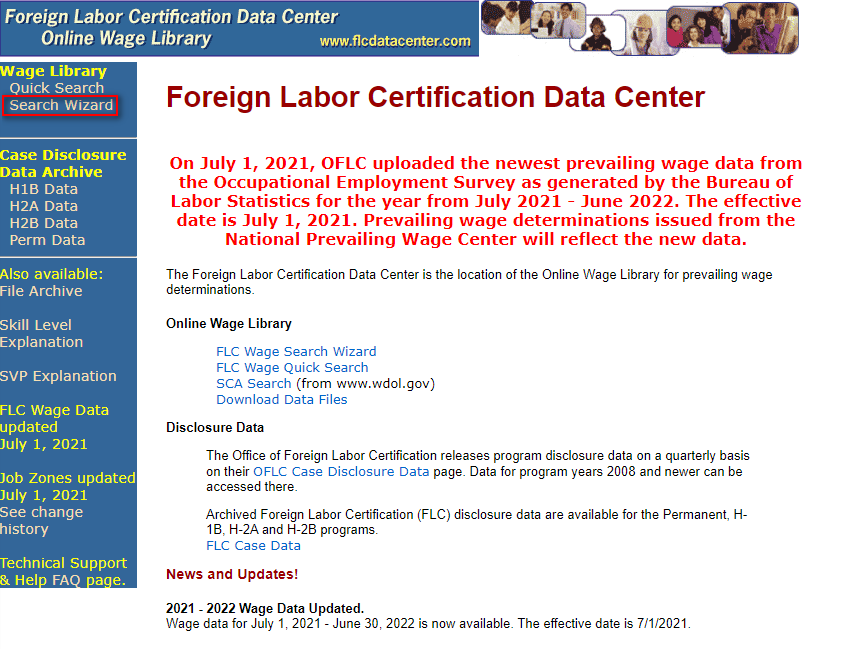
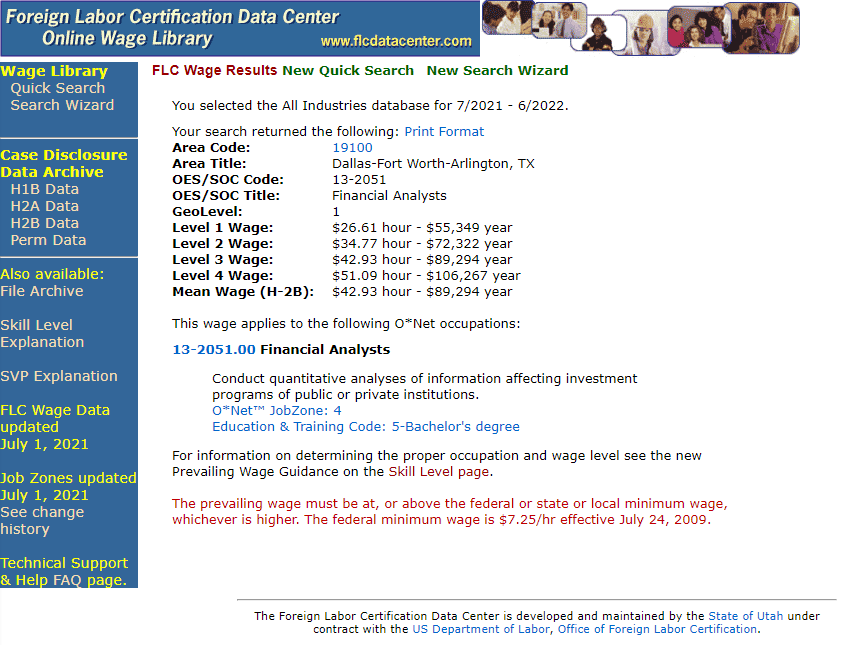
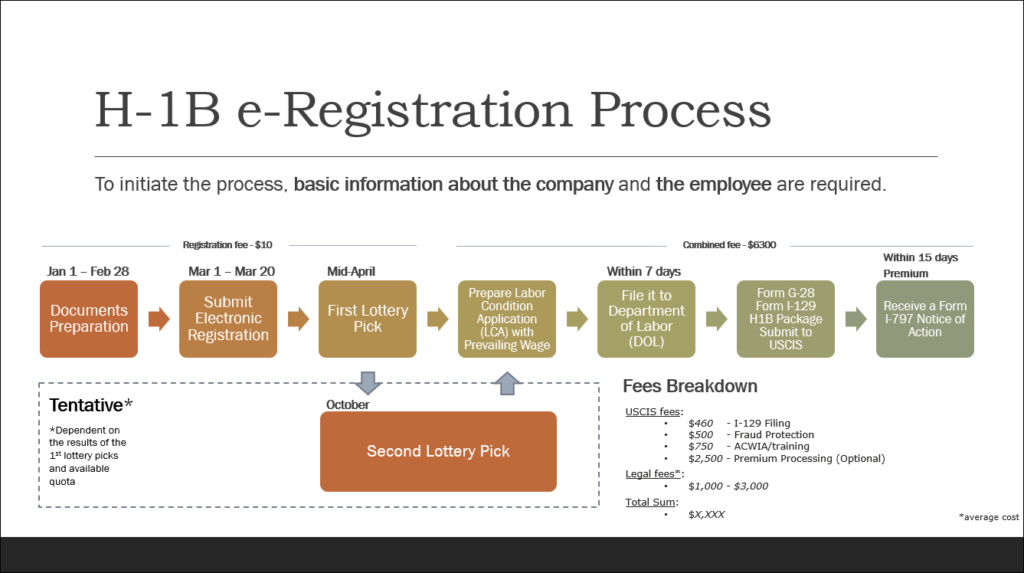
首先律師跟雇主和申請人討論一番,例如你的工作內容、職稱、未來加薪的幅度,為什麼會問到之後的薪水,因為這個階段的第一步是遞交你的工作職稱、內容、薪水是否能符合美國勞工部(U.S. Department of Labor, DOL)的標準(Prevailing Wage),也就是說你的工作和薪水不符合(薪水太低)就會導致審核不通過。同時薪水的標準會依地方不同而變化,(是不是覺得似曾相似,它類似 H1B 的第一步 LCA 申請)
以下管管道都可以 (1)job fair (2) on-campus recruiting (3) job search website other than the employer’s (4) employer’s website (5) employee referral program with incentives (6) private employment firm (7)trade or professional organization (8) campus placement office (9) local and ethnic newspaper (10) radio and television
*如果這個階段被裁員,那需要重新跑第一階段;如果 I-140 過了,雇主沒有去 withdraw I-140(很多公司不知道或是不在意)則可以找其他的公司繼續跑完後面流程,不需要重新跑 PERM。而I-140的180天後,即使原雇主 out of business 或是 withdraw 都不會使你的 I-140 失效。
由於兩種方式都各自有風險,H1B 的風險在於如果沒有抽中的不確定性,綠卡的風險在於等待時間長,如果超過 OPT 給的 3 年,就得回台灣等待再回美國。(This plan serves to mitigate risks associated with each path. The main risk of applying for H-1B is the uncertainty of success. The main risk of applying for GC is the long wait time (which may exceed my current Visa – 2.5 years).
11/12/2020 提出綠卡和 H1B,公司表示會聯絡律師 02/05/2021 開始比較有眉目(其中來來回回我就反覆問 I wanted to follow up and see if you have any updates around sponsorship) 02/18/2021 決定要辦綠卡,沒有工作簽證 H1B 03/2021 中間繼續來回,律師發資料給我和公司填寫 *同時請公司註冊成 E-verify company,為了符合 OPT extension 05/18/2021 In Process – PWD 02/01/2022 Need more information – PWD 不通過,要求公司給我能匹配職位的薪水 02/22/2022 Pending REDETERMINATION – 公司要求重新審核 05/09/2022 REDETERMINATION AFFIRMED – PWD 確定不通過
02/21/2022 In Process 重新遞交新的職稱和薪水給勞工局審核 08/23/2022 DETERMINATION ISSUED 09/08/2022 公司正式跟律師簽約下一步 09/28/2022 start to recruit 01/31/2023 finish recruitment 03/01/2023 summit final draft ETA-9089 04/30/2024 PERM 通過 06/17/2024 送出 i140 (premium) 06/26/2024 i140 Receive 07/03/2024 i140 Got Approve notice 07/18/2024 送出 i485 07/22/2024 通知信用卡沒刷過,重新寄出 08/05/2024 USCIS 收到並給通知和 case number 08/19/2024 收到指紋通知 Biometric Appointment 08/29/2024 打指紋 10/09/2024 Case Status: New Card Is Being Produced 10/11/2024 Case Status: Case Was Approved 10/15/2024 Case Status: Card Was Mailed To Me 10/21/2024 律師收到綠卡,確認住址寄出 10/22/2024 omggggg got my green card!!
我的心境
我覺得耐心極為重要,再來就是保持佛系心態,不然非常焦慮;一開始需要鼓起勇氣提出 H1B 和綠卡這件事,但是我拿這個offer 的前有先問過公司會不會 sponsor,因為我同時拿到另一個 offer 薪水比較高,但是確定不可能 sponsor,而我現在的公司我他完全不知道這是什麼,他仍然說好。到了 11 月多,我覺得應該要跟他們說,即使 H1B 是 3 月抽,可是先讓他們了解、內部討論以及知道價格看有沒有預算都需要時間。果不其然我提了後,無消無息好一陣子,就算我天天掛在心上也不好意思每天問,我固定兩個禮拜問一次,他們後來寄信給我在簡報上推薦的律師,其中一位我之前聯絡過,他也有傳訊息跟我說公司有詢問他 which made me feel better,後來 2 月公司決定跟這位我聯絡過的律師合作,然後他們想先幫我辦綠卡,因為他們認為這樣我才可以一直在美國工作,也省去 renew H1B 的麻煩🙏🙏🙏
大部分來到美國的留學生們心裡幾乎都有個夢,夢想畢業後可以在美國留下;更甚者,進入自己心目中的好公司、大公司或至少「聽過的公司」。我們考了托福、GRE/GMAT,準備了 SOP(Statement Of Purpose)、CV、推薦信等文件,通過重重關卡進入美國大學、用功念書,渴望著畢業後實現夢想,但卻未必都能如願以償。
找工作其實就像找適合自己的另一半,我們或許沒辦法準確說出每一項希望另一半具備的特質,然而透過看書、看電影、電視劇或是聽朋友說自己另一半如何,腦子總會閃過「這個特質真的不行」、「這個特質我很需要」的想法;找工作也是如此。如果喜歡行銷,就得想想行銷跟自己科系相關的職缺有哪些、喜歡哪個產業的行銷,再比對自己的學術或工作經驗有沒有連結,進而轉化到履歷內。如果一時不知道自己想做什麼,就先檢視自己擅長什麼,這些能力符合什麼類型的工作。例如我很細心,可能可以做會計;程式語言邏輯強,可以考慮 Data Engineer;預測分析能力強,或許可以走財金。
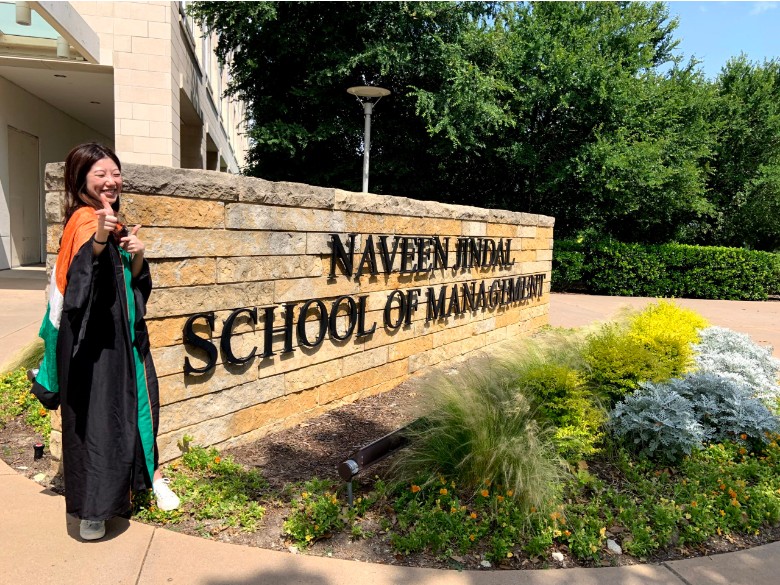
學校的信箱可能被刪除,至少我們學校是(University of Texas at Dallas),如果有什麼重要的信,記得通知他們轉到其他的信箱,而 Amazon、PayPal、Venmo 等各種就學期間利用學校信箱申請的帳號都記得去更新,避免造成認證等困難。另外,我們學校提供的硬碟空間也會被關閉。
到學校 portal 上傳 USCIS approval notice
如果身分是從 STEM extension 到 H-1B,記得填寫 I-983 的第五頁 Final Evaluation,並一起上傳
賺錢時大家開開心心,虧錢時就灰頭土臉。很多人都擔心虧錢了就自認倒楣嗎?這時如果我們懂 Tax Loss Harvesting (TLH),即能降低損失。
Tax Loss Harvesting,也稱為 Tax Loss Selling,可以幫助我們減稅,怎麼說呢,當我們買 ETF、股票等時可能賺取股息,價格漲了賣出會賺錢,但在美國賺錢是需要繳稅,因為漲賣出需繳的錢稱為capital gain tax,稅率是根據持有股票時間來分。如果賣出的價格跌了,就是 capital loss,這個 loss 是可以來減稅,在有損失的時候故意賣出產生 loss 達到省稅目的,這樣子的行為就是 Tax Loss Harvesting。
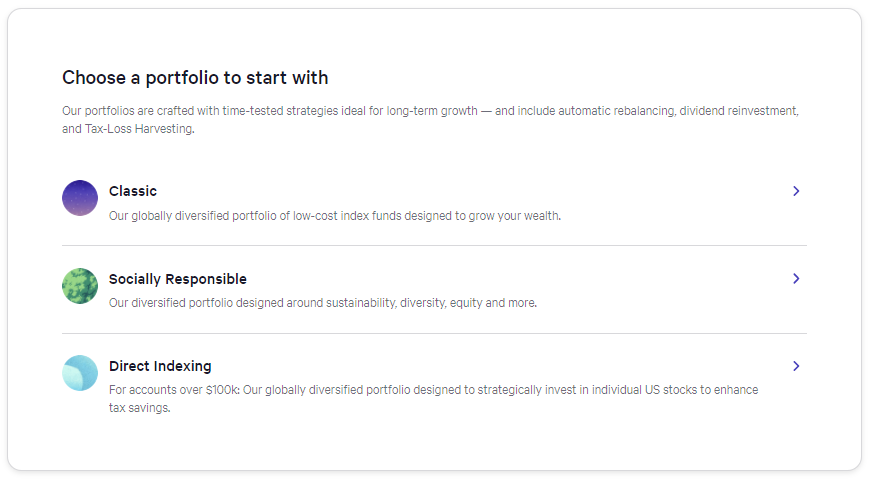
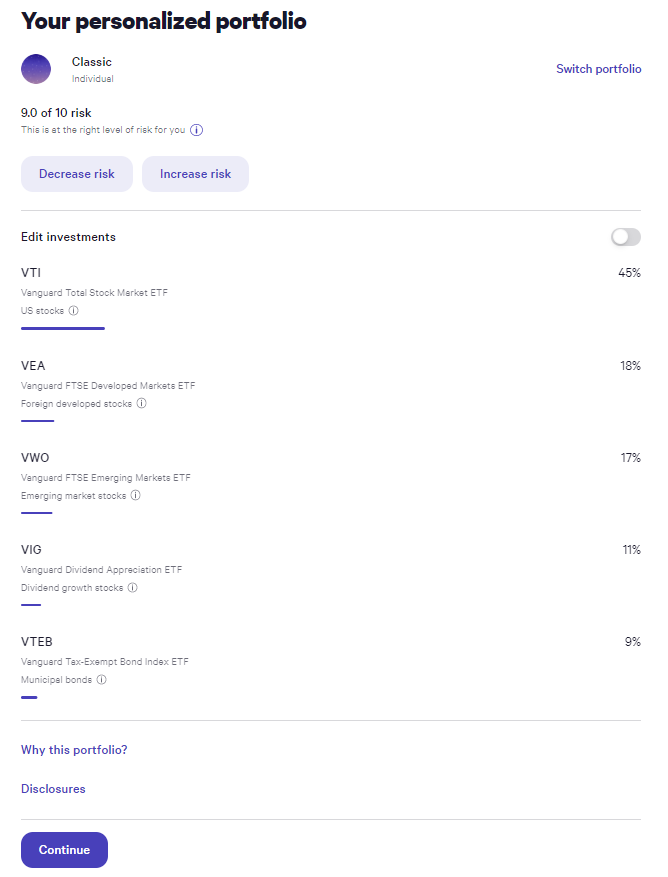
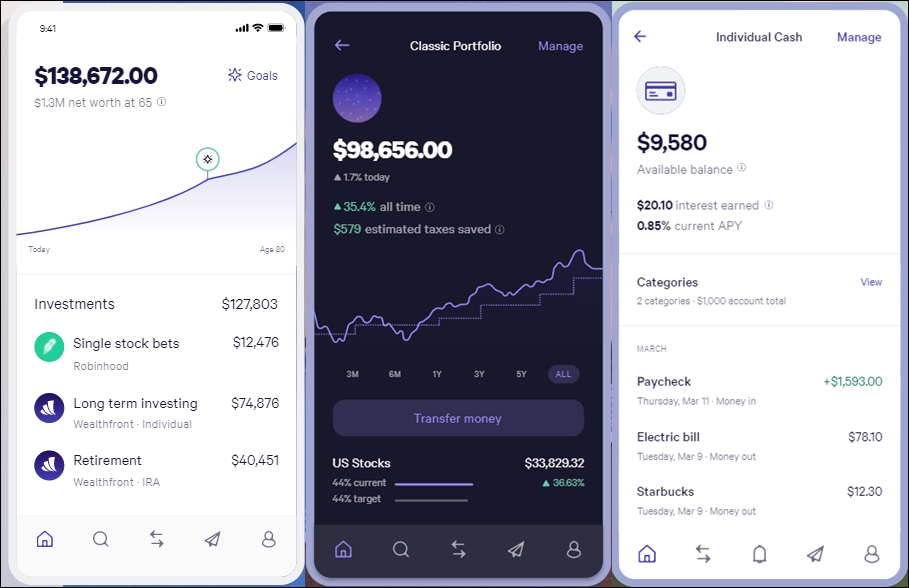
Wealthfront 的好處就是,它有 Tax Loss Harvesting 功能,會自動幫我們做這件事,我們就不用死盯著盤做買賣。
限制不多 好申請
不要求綠卡公民身份 有社會安全碼(SSN)跟銀行帳戶就符合資格
低管理費 前$5000美金額度免手續費
當有人refer,或者使用我的邀請連結進行註冊,雙方可以同時帶來免費 $5000 美金額度的永久免管理費。那一般管理費計算方式是 an annual advisory fee of 0.25% on all assets under management deducted monthly,例如放了 $10K 每個月需要繳交 $2.12 管理費;$20K 則每個月繳 $4.25。可以參考他們的網站,算出需要繳交的管理費用。
投資 ETF,是偏向保守的理財,賺的不多,但風險相對小且不大需要管他,市場忽然來個大跌,若有 Tax Loss Harvesting 的功能自動幫你買賣達到減稅,一個 move,我們平心靜氣 peace,按兵不動 calm。
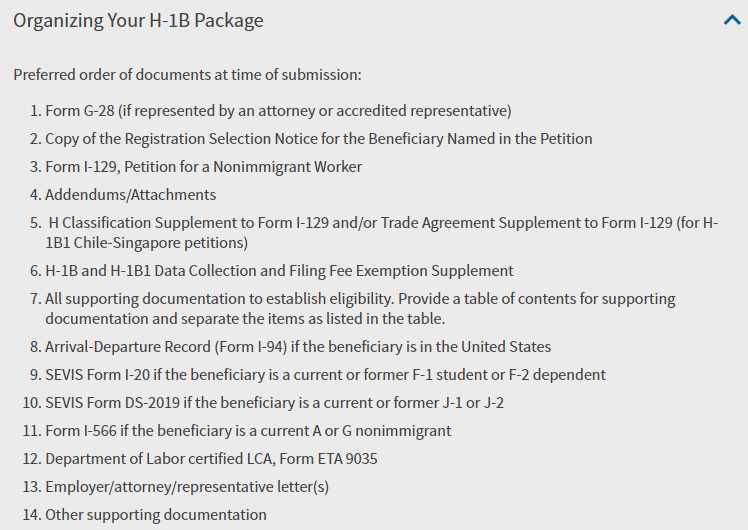
Petition Letter 公司介紹 上一年度財務報告或年度報告(填寫表格用) copy of 公司章程(option) copy of 辦公室租賃(option) 如果公司之前沒有申請過 H1B,需要交 IRS 的稅號文件(EIN)
個人需要準備的文件:
最近一次的 copy of I-94 copy of Passport ID page showing the identity, expiration date, current US visas, most recent U.S. visa stamps 過往的 copy of I-20(持 F1 或 M1 簽證的學生適用) copy of I-983(Stem OPT Extension 學生適用) copy of IAP-66 或 SEVIS DS-2019(持 J1 簽證的訪問學者適用) copy of EAD 卡正反面 copy of I-797 最新版本的 resume(Word格式) copy of 學位證書(所有學位,包括學士學位、碩士學位和博士學位)和成績單 transcript 如果是在美國以外的國家獲得的學位,需提供學歷學位認證 Academic credential evaluation 曾經獲得的證書(如 CPA) job offer letter/招聘廣告和職位說明 job description 所有美國公司提供的 W-2 或 1099 最近三個月的工資單(需來自幫助辦理 H1B 的雇主) 原籍國的地址和郵遞區號(英文填寫) 住在美國的地址和郵遞區號
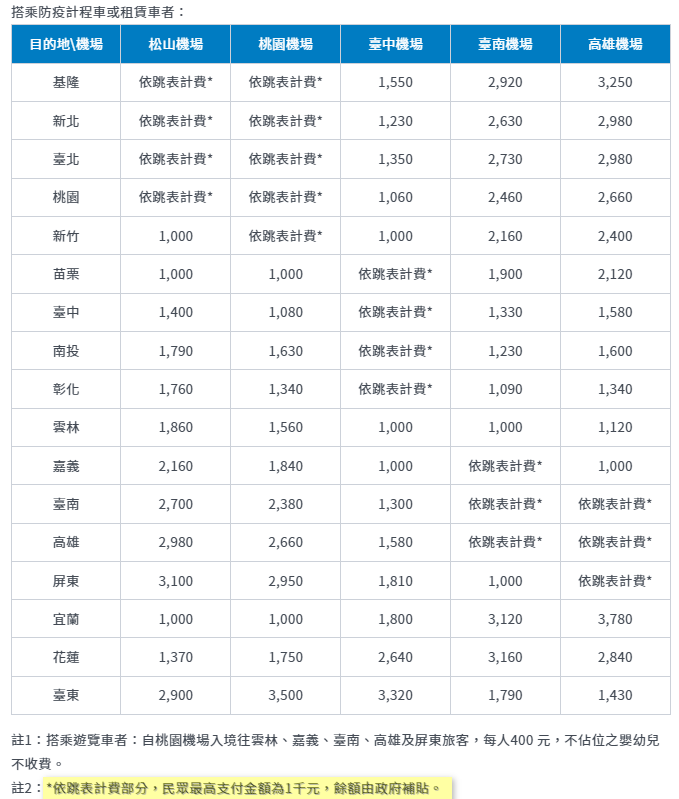
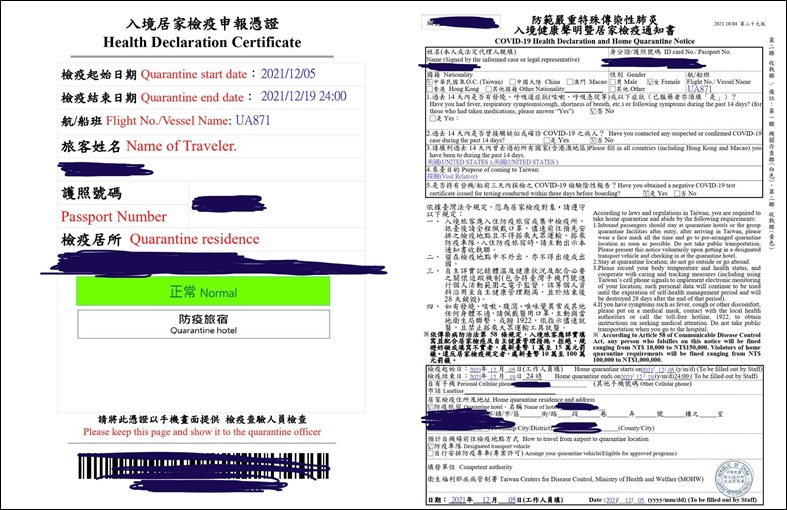
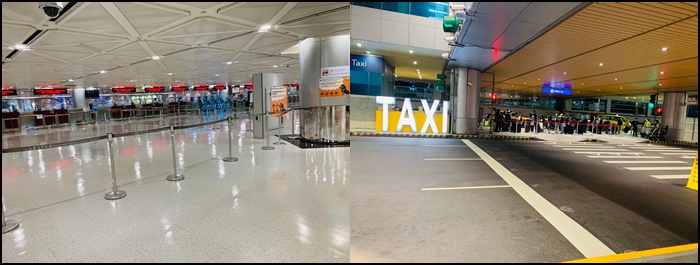
結束準備搭計程車,此時入境檢疫系統(航機版)截圖準備好,截圖截好截滿,兩頁。填寫資料,工作人員會在你排隊的時候用感覺很厲害的酒精 LED 噴霧噴散你全身跟你的所有行李,叫我的名字,司機伯伯人很好的交代我有沒有拿好東西,在路上播放劉若英的歌,聽了覺得好舒服,那天有一點霧,我 101 看了老半天才知道那是 101,覺得感動的氣氛都沒了哈哈哈哈。司機伯伯也跟我分享他之前有載過到台東的,一路玩回來。感覺載到台北最不划算哈哈哈。金額依地區而定(請見一開始的表),我當時用 Apply Pay 付款。
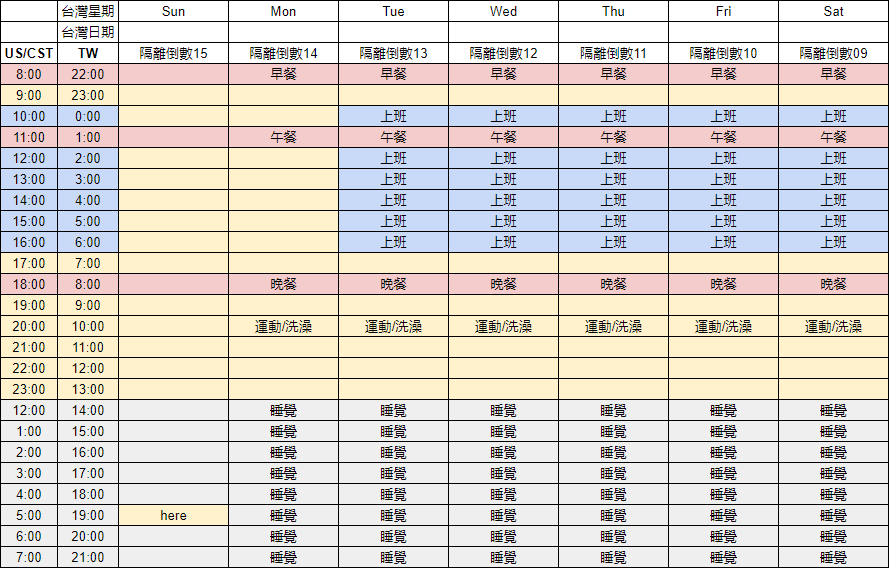
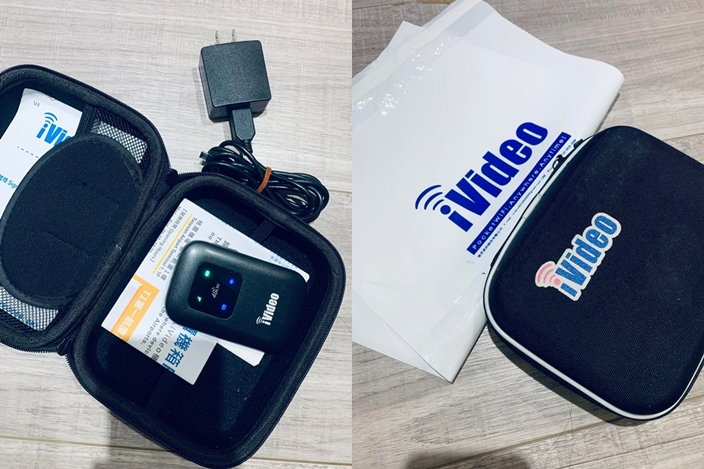
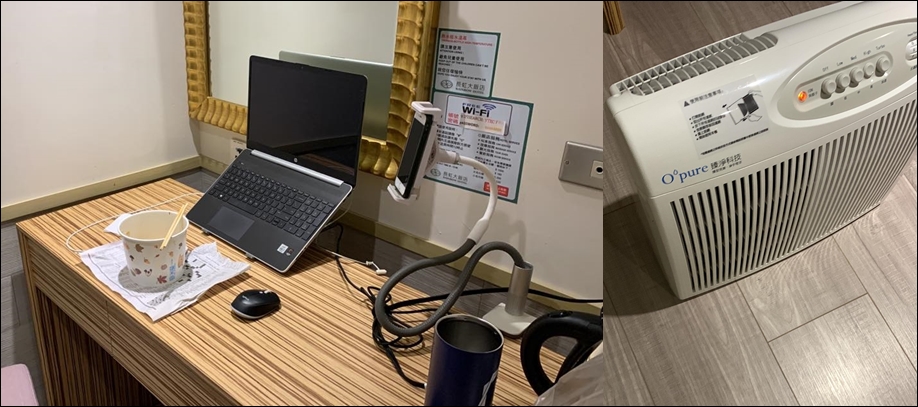
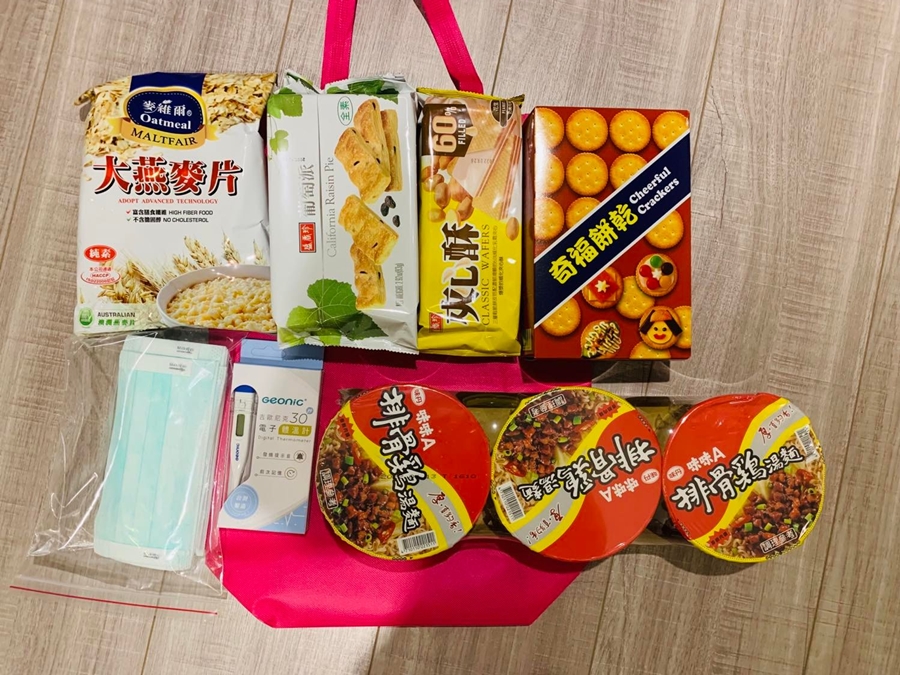
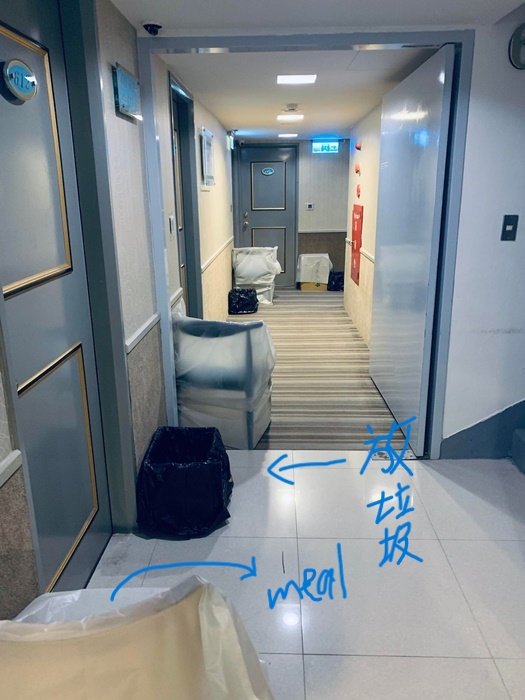
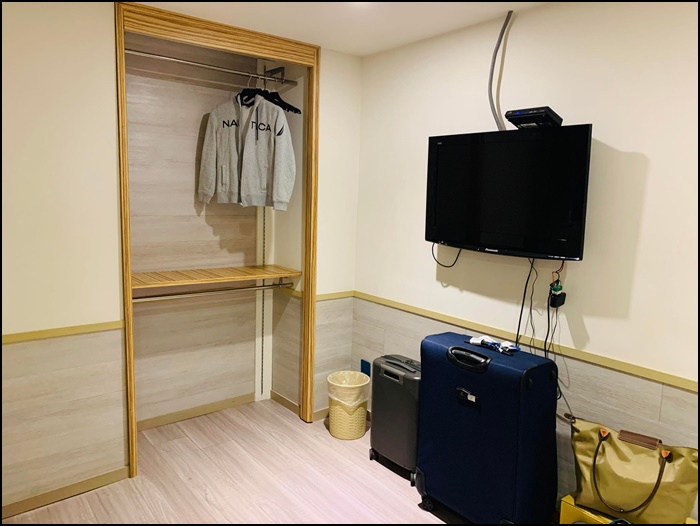
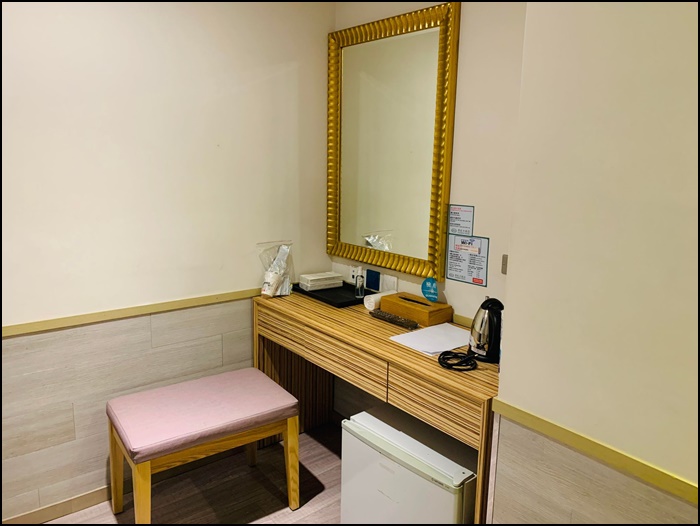
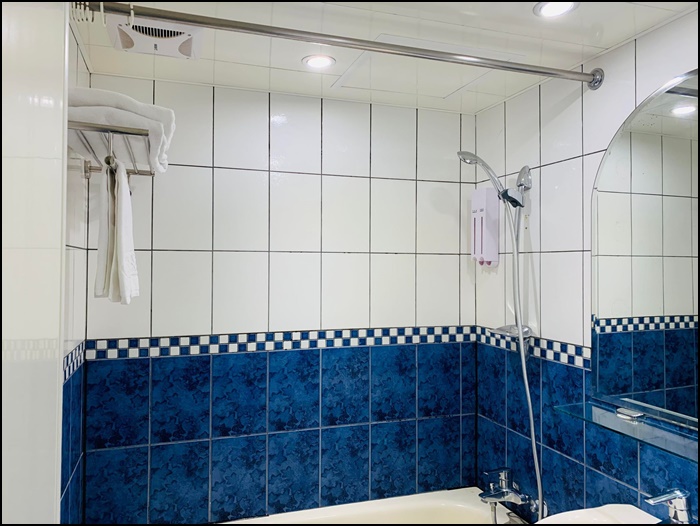
終於我到了旅館!準備好開始長達 15 天日夜顛倒的精神錯亂之旅吧。我會另外寫下我住的旅館。
其他資訊
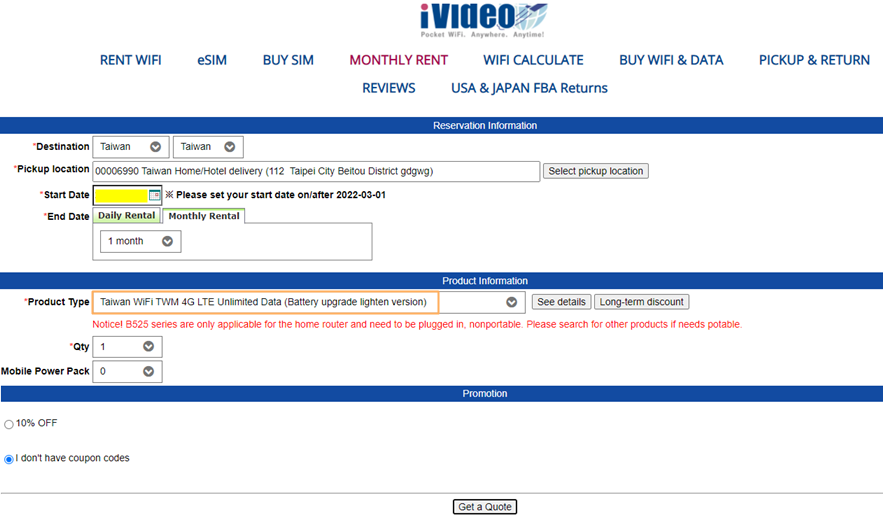
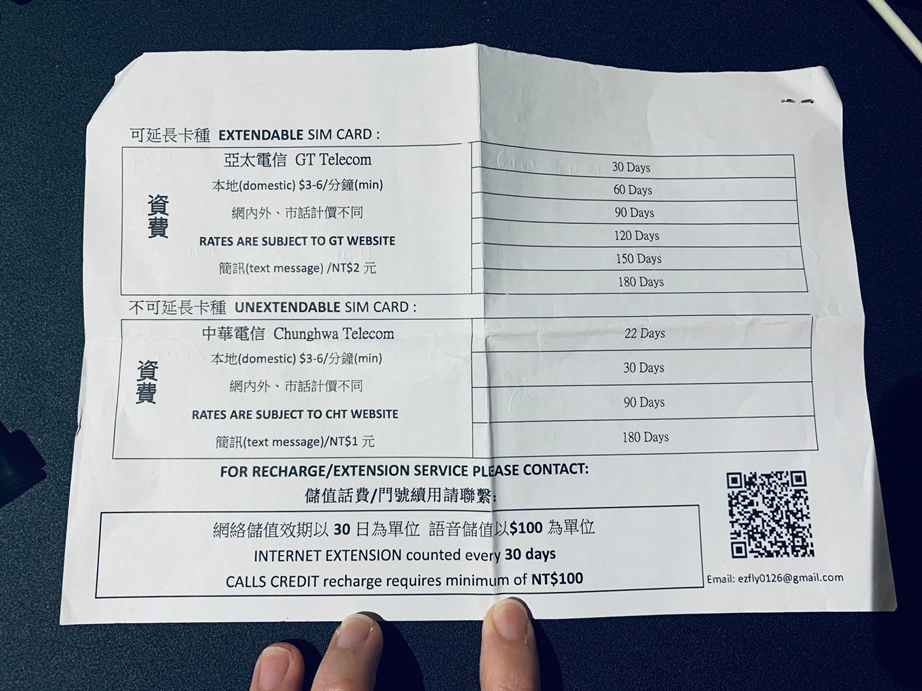
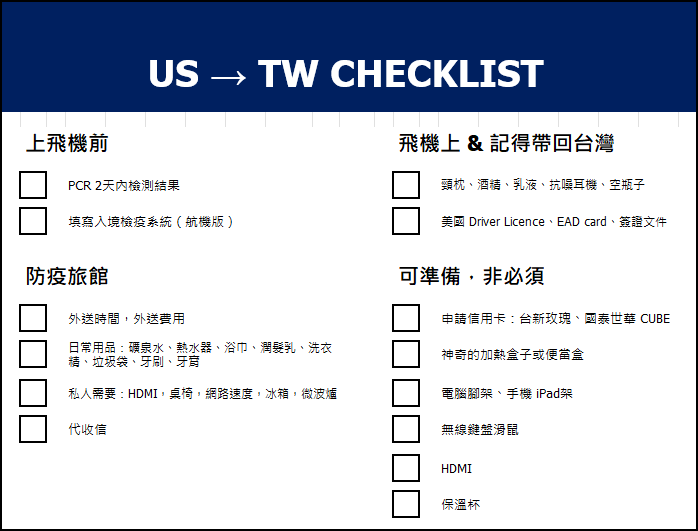
前面提到為什麼要找可以收信的防疫旅館,因為我回台灣前先申請了一些現金回饋不錯的信用卡(台新玫瑰、國泰世華 CUBE,我本身有渣打、元大鑽金 、台新Richard),當我的家人收到我的信用卡後再寄到旅館(信用卡無法直接寄至旅館,因為地址填旅館,核卡應該不會過)。不過很多信用卡沒拿到實質卡前,會給你數位卡,也能綁定 Apple pay,我用了新申辦的卡付計程車費、旅館錢、申辦門號費。